
Is gatekeeping back in style?
The question isn't whether gatekeeping is right or wrong, it's whether we're finally being honest about what community actually requires: boundaries, context, and the willingness to say no to preserve

The internet was supposed to democratise everything, media, community, conversation. For a while, it did. But in 2025, the cracks in “open culture” are starting to show. As loneliness, hostility, and burnout rise, both creators and brands are reconsidering the value of exclusivity, not to exclude, but to protect.
If you're building community in 2025, as a brand, creator, or strategist, this is the shift you can't ignore.

The barriers that once controlled who could create, publish, or participate in cultural conversations simply disappeared.
"Let people in!" became the rallying cry of a generation tired of cultural elitism and exclusivity. This phrase came as a direct response to gatekeeping behaviour. It represented a shift toward radical inclusivity: everyone deserves access to every space, conversation and community.
Gatekeeping became a dirty word, synonymous with elitism and toxicity. But something is shifting, and it goes deeper than just social media trends.
We’re watching a familiar arc play out: media opened up, promising access and belonging but delivered toxicity and isolation instead. Now, tired of the chaos, creators and brands are turning to exclusivity, not to shut people out, but to protect what matters.
This isn’t about trading “open” for “gated.” It’s about recognising that real community needs boundaries, context, and the ability to say no.

The Loneliness Epidemic Meets Digital Dysfunction
As the fabric of physical community unraveled, newspapers closed, social clubs emptied, churches sat vacant, and neighbours became strangers, millions turned to digital spaces for connection. Instead of healing our loneliness, we got digital dysfunction.
According to DataReportal's 2025 Global Digital Overview, 5.31 billion people, 64.7% of the world's population, are active on social media, spending an average of 6 hours and 41 minutes online daily. But despite this connectivity, 41% of US adults have experienced online harassment.
Communities that were supposed to provide safety became hostile territories where the loudest, most aggressive voices dominated because of the algorithm. The very accessibility that was meant to create belonging instead created spaces where genuine connection became nearly impossible.

The Entitlement Economy
The "let people enjoy things" mentality evolved into "let people access everything." People began demanding entry to every space, every conversation, every community, regardless of context, culture, or compatibility.
The phrase "gatekeeping is toxic" became weaponised to break down any attempt at curation or boundaries. Want to maintain the culture of your niche community? You're gatekeeping. Want to preserve the safety of your support group? You're being exclusive. Want to keep your professional network professional? You're elitist.
This created:
Creators feeling obligated to share everything with everyone
Safe spaces becoming unsafe as they were forced to include hostile actors
The collapse of intimate, meaningful connections in favour of performative public engagement
The Exhaustion Response
Now we're seeing the inevitable response: a retreat into exclusivity. People are tired of fighting for space in chaotic public forums. They're tired of moderating toxic behaviour. They're tired of having their communities diluted by people who don't understand or respect the culture.
So they're creating new boundaries: private WhatsApp groups and services like Geneva where you must apply to join communities, creating natural filters that preserve culture and safety, and offline meetups.
Of course, not all open access is dysfunction. For many marginalised groups, digital openness was a lifeline to community, identity, and safety. The challenge now is designing communities with boundaries that protect inclusion, not prevent it.

The Renaissance of Boundaries
"If you know, you know" has become more than a caption, it's become a cultural philosophy. This represents a fundamental shift from explanation culture to context culture, from mass accessibility to earned belonging, from public performance to private authenticity, from viral reach to deep connection.
We're entering an age where scarcity creates more value than abundance, where "you can't sit with us" isn't bullying, it's branding, and where the most successful creators are those who've learned to weaponise exclusivity.
Why This Matters for Marketers and Businesses
The brands winning in 2025 understand that strategic gatekeeping serves specific business functions that open-door policies simply can't deliver.
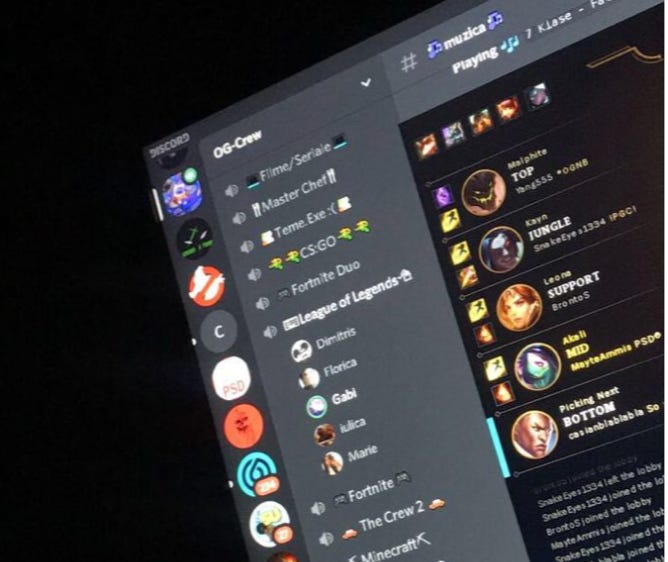
Community Quality Over Quantity Look at how Discord servers evolved from open gaming chat rooms to carefully curated spaces. Many successful brand communities now use application processes, verified roles, and clear onboarding sequences. Morning Brew's shift from general social media engagement to their paid "Executive Club" WhatsApp groups demonstrates this trend, they created smaller, vetted spaces where meaningful professional conversation can actually happen.
Resource Allocation Community management costs money. A lot of money. Strategic gatekeeping isn't about keeping people out, it's about being realistic about what you can actually manage well.
Higher Conversion and Retention The data is clear: communities drive business results. The CMX Hub's 2024 Community Industry Report found that 85% of organisations believe branded online communities improve customer loyalty, with over 70% reporting improved retention rates. Community members are 12% more likely to remain customers than non-members, and research from the Journal of Marketing Research shows they have higher purchase frequency and spend.
Harvard Business Review reported that companies with strong online communities saw 6% higher retention rates on average, while studies show community participants are 19% more likely to make repeat purchases. Smaller, managed communities consistently outperform large, open forums in engagement metrics.
The Gatekeeping Strategies That Actually Work
Gatekeeping, even when strategic, can easily slip into toxic exclusion if not thoughtfully managed. Well-intentioned efforts can still be perceived as elitist, especially when entry criteria are unclear or unintentionally favour certain demographics.
Curated spaces also risk becoming echo chambers that limit diverse thought, or falling into the trap of artificial scarcity using exclusivity as a shallow marketing gimmick rather than a meaningful design choice.
So the solution?
Value-Based Barriers Instead of arbitrary exclusion, create barriers that demonstrate commitment. Glossier's "Glossier Community" requires members to complete a detailed beauty profile and agree to community guidelines. The barrier isn't about worthiness, it's about ensuring fit.
Tiered Access Patagonia's environmental activism community has open entry-level groups and invitation-only leadership circles. New members can participate and prove their commitment before accessing more exclusive spaces. It's gatekeeping as progression, not punishment.
Expertise-Based Curation Adobe's Creative Cloud communities are segmented by skill level and software expertise. Beginners get supportive learning environments, professionals get advanced workshops. The "gatekeeping" is actually service, putting people where they can be most successful.

The Nuanced Approach: Protection, Not Punishment
The most successful brands approach gatekeeping as a service, not a weapon. They ask: "How can we create boundaries that help people succeed?" rather than "How can we keep people out?"
Clear, Fair Criteria Make your membership requirements transparent and directly related to community value. If you're creating a small business networking group, requiring proof of business ownership makes sense. Requiring a certain follower count doesn't.
Multiple Entry Points Create different pathways into your community ecosystem. Not everyone needs access to everything, but everyone should have access to something valuable. Your VIP customers might get exclusive access to new products, while your general community gets excellent customer service and educational content.
Regular Audits for Bias Gatekeeping systems can perpetuate existing inequalities if you're not actively monitoring for bias. Regularly review who's getting in, who's being excluded, and whether your criteria are achieving their intended goals without creating unintended barriers.
The New Social Contract
The age of "let people in" is ending. The age of "let the right people in" has begun.
As we move from radical openness to intentional exclusivity, we must be vigilant about who gets included and who gets left behind. The goal isn't to recreate old gatekeeping systems that excluded people based on accident of birth, but to create new ones based on shared values and genuine fit. In a world where everyone can speak, the real power lies not in who gets to talk, but in who gets to listen and who gets to decide who's worth listening to.
The age of "let people in" is ending. The age of "let the right people in" has begun. The question isn't whether this shift is happening, it's whether we can navigate it wisely.
Excellent article that’s really hit the mark. I’ve seen this addiction to quantity eroding quality and lead to such generalised content that engagement drops.
Thank you for sharing this.
Wow 🤩 what an incredible conversation and talking points, thank you for sharing.
Especially around the personal versus content conversation.
Where is the line - it feels like we’ve opened and now closed the doors…but perhaps we’re recalibrating ahead of the next chapter?!