
What about men??
Brands spent a decade optimising for women. Who's actually winning the male wallet right now?

For the better part of a decade, the brand industry had a type.
She was a millennial woman and the primary purchasing decision-maker in her household. Every brief and campaign was optimised around her and it’s largely because of two things.
First, the data, female consumers account for nearly 60% of US retail discretionary spend, so brands naturally followed the money. Second, and this is the part that doesn’t get discussed enough…men, and it was almost always men, manufactured insecurities in women, and we, due to a combination of social pressure, limited representation in science and advertising, and in many cases economic dependency, bought the solutions.
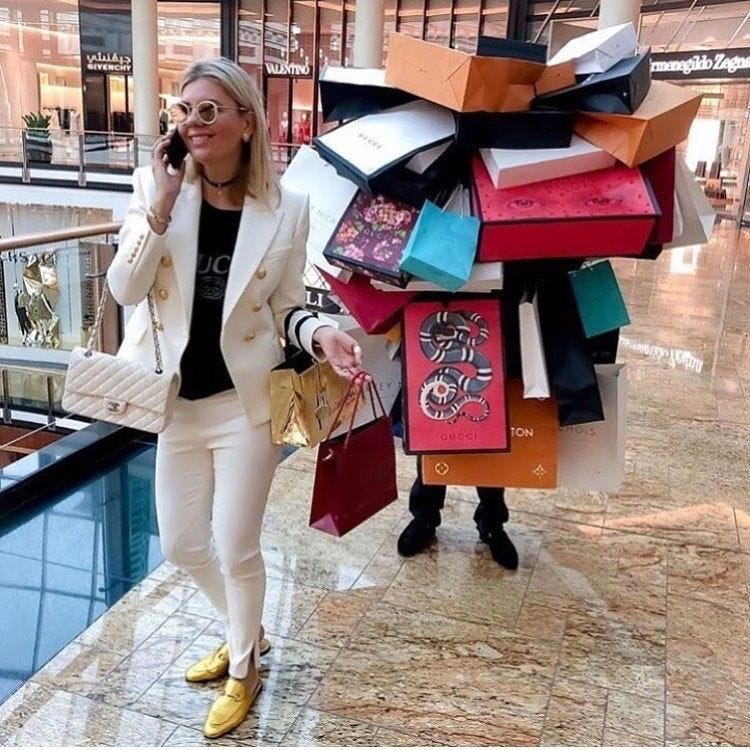
We didn’t buy them because we were naive but because the people selling to us had studied women’s psychology, social anxieties and relationship dynamics so thoroughly that the problems they invented felt entirely real.
The example I keep coming back to is underarm hair. Before 1915, removing it wasn’t even a concept for most women and then Gillette launched the Milady Décolleté razor with an ad in Harper’s Bazaar declaring bare underarms a “necessity” and body hair an “embarrassing personal problem.” They didn’t respond to a market, they actually built one.
Within a generation, the idea that women’s body hair was unsightly was so embedded it felt biological even though it wasn’t.
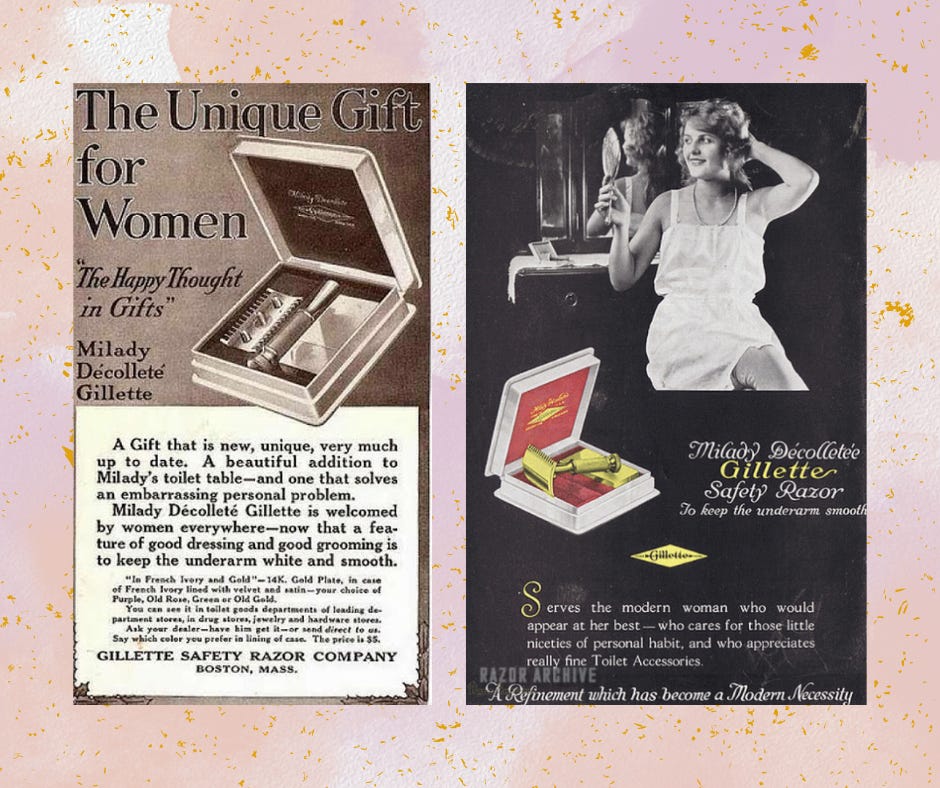
I’ve written about this before the way brands and governments have always found ways to sell women a version of themselves that keeps them spending. The manufactured insecurity playbook is well-documented.
What’s less discussed is what happens when that same energy turns toward men because something has shifted.
And the question I’ve been asking myself is this the early stages of the same playbook? The product is positioned as the solution to an insecurity the consumer may not have felt acutely until the ad surfaced it. That doesn't make the products useless, many of them work, but it means the male wellness boom deserves the same scrutiny we've learned to apply to the female version. But what I find interesting is that most often than not it’s men doing the selling.
The male grooming industry has grown from roughly $21 billion globally in 2016 to $61.6 billion in 2025. Wellness is no longer a female-coded word, men are signing up for therapy, cold plunges, supplements and sleep tracking at rates that would have been unthinkable ten years ago.
And have you seen the cosmetic surgery headlines? Men now account for 16% of all cosmetic procedures globally, with Botox and filler bookings for men rising year-on-year.
The term “Brotox” exists, which tells you everything about where we are culturally.
Of course, context matters here.
Younger Millennial men grew up being told, finally, that it was okay to go to therapy, talk about their feelings and take care of themselves. Gen Z men grew up watching male beauty creators, building skincare routines as a default, treating grooming as self-expression rather than a weakness.
And the acceptance and legalisation of LGBTQ+ rights, thank God, has meant more men are open about their love of fashion, self-care, wellness, makeup and beauty in ways that were either hidden or impossible before.
So when you layer cultural shifts onto economic ones, you get a change in consumer psychology and behaviour. And that creates opportunity.
Which begs the question not enough marketing teams are asking seriously: was the male consumer ever actually disengaged, or did an entire industry just stop knowing how to see him?
What prompted me to speak about this now?
Earlier this year, Unilever acquired Dr. Squatch, a men's personal care brand built largely through humour, community and podcast advertising. Rather than spending years trying to win over a younger male audience organically, Unilever bought a brand that had already earned its trust and attention.
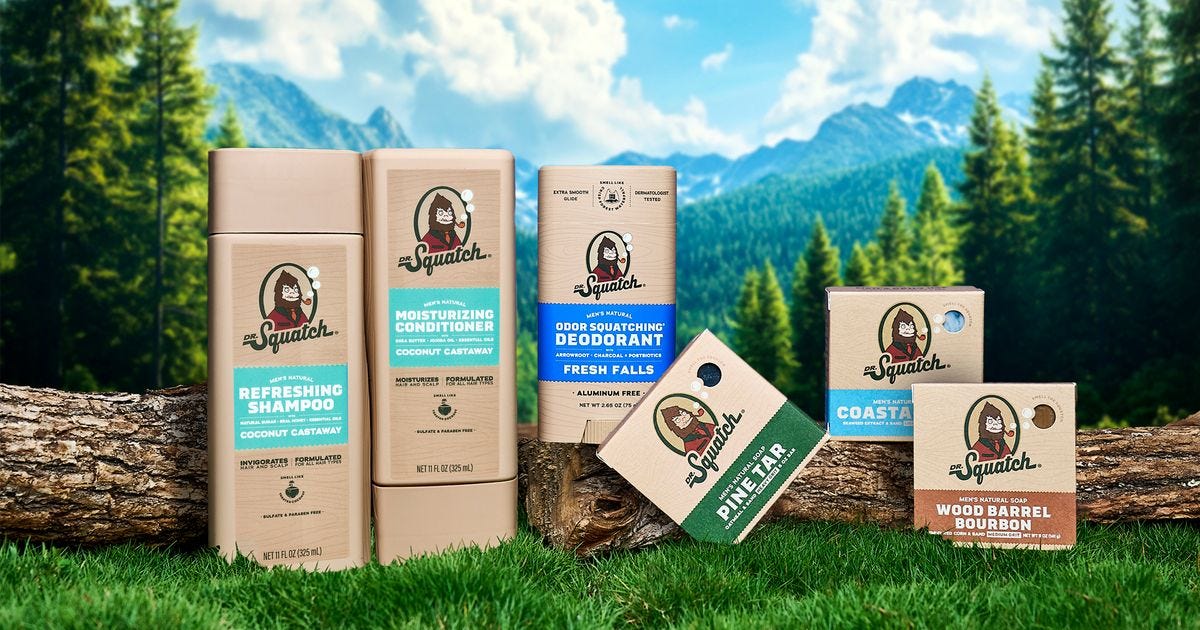
Brands are coming to us at The Fitting Room wanting to “crack the male market” as if it’s a locked door, rather than a space they just never seriously entered.
The brands paying attention right now are quietly building some of the most durable male consumer relationships in the market.
Let’s talk about how and why.
“Men are lonely” became a business model
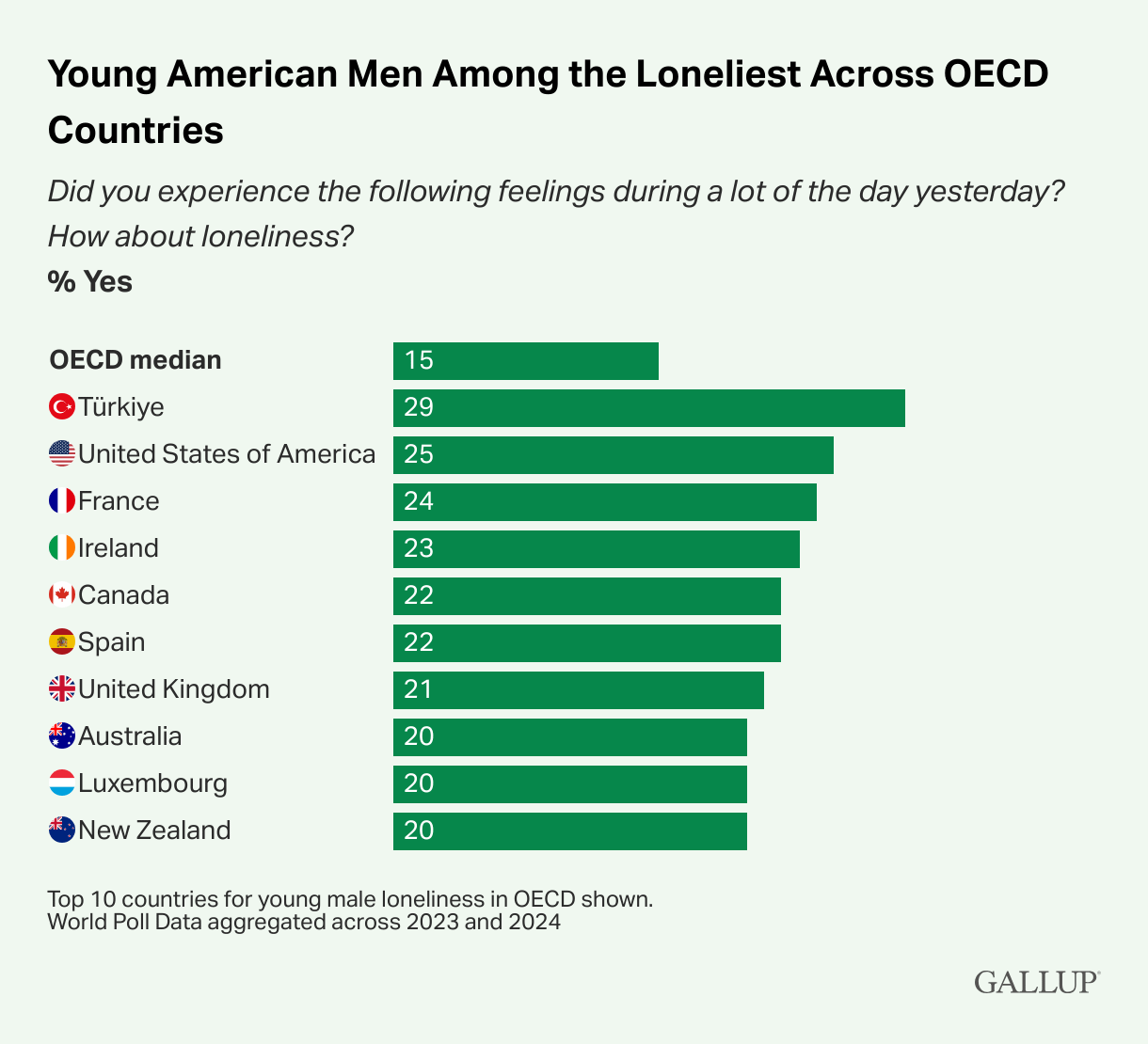
Let's talk about the epidemic that every newspaper seems unable to stop writing about: male loneliness.
Research from The Standard shows one in five men ages 18 – 26 have taken leave to address their mental health challenges. That’s higher than any other generation in the workplace and it might signal a cultural shift.
Everyone has their theory on why it's happened but whatever the cause, the bottom line is that this so-called epidemic has produced an influx of business plans and pitch decks some genuinely aimed at improving men's mental health, others that seem far more interested in capturing a wallet than making an impact.
In 2023, the U.S. Surgeon General declared loneliness a national health epidemic. The data on men is stark: roughly 1 in 7 men report having no close friends, a number that has risen fivefold since 1990.
For brands, that’s commercially underserved emotional territory.
The early movers are instructive. Evryman runs weekend retreats where men gather to talk about the things they traditionally don’t, grief, isolation, purpose. What started as a wellness experiment is now a subscription-based community business with returning cohorts and a growing waitlist.
A cluster of AI-powered friendship apps, Kndrd, 222, Alyke, are facilitating in-person connection through interest-matching, built for a demographic that’s least likely to cold-start a relationship but most likely to show up if the context is structured for them.
The Black barbershop has been a community institution for over a century. After emancipation, barbering was one of the few professions that allowed Black men to own businesses and serve their communities freely. By the 1920s, the barbershop was already doing everything the “third place” brand conversation now claims to have invented, hosting political debate, offering therapy without calling it that, building intergenerational bonds and providing a space where Black men could be themselves when most public spaces were segregated or restricted.
What brands like Blind Barber have done is recognise the commercial architecture underneath that cultural institution and build a business model around it, in-shop events, branded product lines, the kind of recurring foot traffic retail brands would kill for. There's nothing wrong with that but when the industry celebrates the barbershop renaissance as a discovery, it's worth naming what was always there and who built it first.
The barbershop works because it has an embedded ritual. You go on a schedule. You see the same people. You have a reason to be there that isn't explicitly "I want connection." That structure is the product and it extends naturally into apparel, product ranges and content, all built on earned trust rather than paid acquisition.
Men and podcasting
While social media conversations often focus on female consumer communities, many male consumers are spending hours each week inside long-form creator ecosystems built around podcasts, YouTube shows, livestreams and newsletters.

A host recommending a product to two million loyal listeners can operate more like scaled word-of-mouth than a traditional media placement. Podcast audiences often spend hours with the same creators, which creates a level of familiarity and trust that standard ads rarely achieve.
That’s one reason brands like MANSCAPED, Hims and AG1 were able to build substantial awareness and market share through podcast and creator ecosystems.
But some of the most efficient channels for reaching male audiences can also create brand safety risks. The line between “speaks authentically to men” and “gets associated with controversial online culture” is thin, contested and constantly shifting.
Several brands have faced backlash not because of their own messaging, but because of the creators they partnered with, hosts whose humour, political commentary or audience culture created reputational risk.

The brands navigating this best are becoming more disciplined: tighter creator vetting, shorter partnership commitments and diversified channel mixes so no single voice becomes synonymous with the brand.
The brands navigating this well are now building tighter creator vetting, shorter partnership commitments and diversified channel mixes so no single voice becomes definitional.
The ones that aren’t are finding out the hard way.
Now, the honest question about the loneliness economy is whether any of it is actually building durable business, or whether “male loneliness” has become the kind of trend language brands dress up surface-level plays in.
And the answer is: both.
Harvard research published this year found that many emotional wellness apps may be doing more harm than good with users forming deep emotional attachments to AI companions that substitute for, rather than facilitate, real connection. Some users reported feeling closer to their AI companion than to any human friend. When the product designed to solve loneliness becomes the thing that sustains it, you're in the dependency business.
The retreats and structured environments gaining real traction work precisely because they push people toward each other, not toward a screen.
Most men according to research aren’t looking for ongoing vulnerability programmes., they want a low-pressure reason to show up somewhere and connection is what happens after but it needs to be made accessible.
The “men don’t shop” myth was always a category problem
Men spend approximately 40% more per transaction than women globally once they decide to buy, though that figure deserves context because men spend disproportionately on electronics, vehicles, and big-ticket categories that naturally inflate transaction size. A man buying one $800 laptop and a woman making ten $50 purchases look very different in per-transaction data but represent comparable spending.
The “men don’t shop” narrative was never really about frequency or intent but one could say it was rooted in bias that got mistaken for a behavioural insight. Brands built their acquisition funnels around the categories women over-index in, apparel, beauty, home, wellness, then pointed to the numbers as evidence that men weren’t engaged consumers. Maybe they were engaged but just not with you.
What the data actually shows is a consumer who shops less often but with higher intent, higher basket value and, on the surface at least, stronger retention. Men are more brand-loyal than women, 67% versus 59%. But that number needs a caveat most marketers skip: a meaningful portion of male “loyalty” is actually inertia. Men often don’t switch brands because they don’t care enough to evaluate alternatives, not because they’re deeply attached. That’s a fragile foundation and I can admit that.
Once a genuinely better product arrives at a comparable price, or once a brand does something to break the relationship, that loyalty disappears faster than the acquisition data suggested it would.
The strategic implication is sharper than “men are loyal, invest in retention.” It’s this: men are hard to acquire but easy to keep until you give them a reason not to be and brand attachment for men tends to be product-specific, not brand-wide.
Gillette is the cautionary tale here, and it’s a good one to understand properly. In 2019, the brand launched “The Best Men Can Be”, a campaign addressing toxic masculinity that became one of the most controversial pieces of brand marketing in recent memory.
The campaign wasn’t wrong in its values but perhaps it was wrong in its model. It assumed male consumers wanted their brand to have an opinion about their behaviour. Most of them didn’t and that distinction, between a brand that understands you and a brand that lectures you, is the difference between building loyalty and burning it.
The irony, of course, is that this is the same brand that manufactured female insecurity for profit in 1915. Gillette spent a century telling women what was wrong with their bodies and then it tried to tell men what was wrong with their character no matter how well meaning it was neither approach was about the consumer but both were about control.
One last thing worth saying brands spent a century manufacturing insecurity in women and calling it aspiration. The male consumer is now being welcomed into the same economy with warmer language and better UX, but some of the underlying mechanics are identical. The opportunity is real but so is the responsibility to not repeat the playbook while pretending it’s something new.
So what does this mean if you're working in brand or strategy?
If you lead with "join our community," you're asking men to opt into something emotionally loaded before they've experienced anything. That's where the resistance can come from but lead with a structured occasion, a recurring event, a format, a ritual, and they show up for the thing, not the belonging. The belonging is what they find once they've been there a few times. Nobody walks into a barbershop saying "I want to be part of a community they go for a haircut on a schedule and then the community accumulates in the margins.
The Gillette lesson isn't "don't have values." It's "don't confuse your brand's opinion with your consumer's need." Men will buy from brands that understand them but will leave brands that lecture them.
The male wellness boom happened because three structural shifts converged at once and each one removed a different barrier. Telehealth removed the waiting room. For a demographic that avoided doctors partly out of discomfort, friction was the real obstacle, not apathy. Hims now has 2.4 million subscribers, spending an average of $74 a month and the broader US telehealth market is growing at nearly 24% annually. These platforms just made it possible to act on it without sitting in a waiting room, making eye contact with a receptionist or saying the words out loud. The product was privacy and convenience.
The men driving the wellness boom are disproportionately higher-income and digitally fluent. A 24-year-old in London with a Hims subscription and a therapist lives in a different consumer reality from a 24-year-old tradesman in Sunderland. The market shift is real, but it's not evenly distributed, and brands that treat it as universal will build products that only speak to one slice of the male population while claiming to speak for all of it.
 Tiktok failed to load.
Enable 3rd party cookies or use another browser
Until next time, keep listening, keep learning, and keep evolving.
And make sure you digress often. Curiosity is key to winning in this game.
Charlotte
The manufactured insecurity parallel is the thread I keep coming back to.
What strikes me is that the scrutiny is still mostly aimed at the marketing rather than the formulations. Women's clean beauty spent a decade building ingredient literacy - label reading, watchdog databases, scanner apps. Men's grooming is at a much earlier stage of that arc.
Your brand loyalty-as-inertia point is where it gets interesting. A man who's used the same body wash for ten years hasn't actually evaluated it - he just hasn't had a reason to look.
I've been building mangood.app?ref=substack-awareness partly in response to this: a scanner that flags endocrine-disrupting ingredients in men's personal care products. The demand side is forming faster than the infrastructure.