

What’s been trending this week?
Miley Cyrus returned to the Hannah Montana set this week, sparking a huge wave of 2000s nostalgia online. Everywhere you look, there’s a reboot or reunion. TikTok videos are starting with prompts like “Remember when we used to…” or “What were we like in the 90s?”, and they’re racking up millions of views. The trend is about collective memory, comfort and revisiting a simpler, pre-social media era.

 Tiktok failed to load.
Enable 3rd party cookies or use another browser
Analysis: What do we really know about Gen Alpha
The oldest Gen Alpha are now 15, almost 16 and yet, whenever they come up in conversation, people still talk about them like they’re toddlers or little kids with no agency.
But that’s far from the reality.
At 16, we were sneaking onto MSN Messenger, burning CDs and genuinely believing MTV Cribs was an accurate representation of how adults lived. Their 16 looks nothing like ours. Some are already building audiences in the millions, shaping trends and influencing what ends up on the shelves at Sephora before they’ve even sat their GCSEs.
And much like the 2008 crash rewired how millennials think about money, jobs and trust, Gen Alpha are being shaped by their own set of defining moments in real time. They grew up during Covid, watched their parents work from kitchen tables while their classrooms moved to screens, saw Gen Z navigate a job market where a degree doesn’t guarantee much and are watching millennials burn out and move back home.
And they’re taking notes.
I think it’s important for anyone reading his to understand that this newer generation understands far more than we give them credit for.
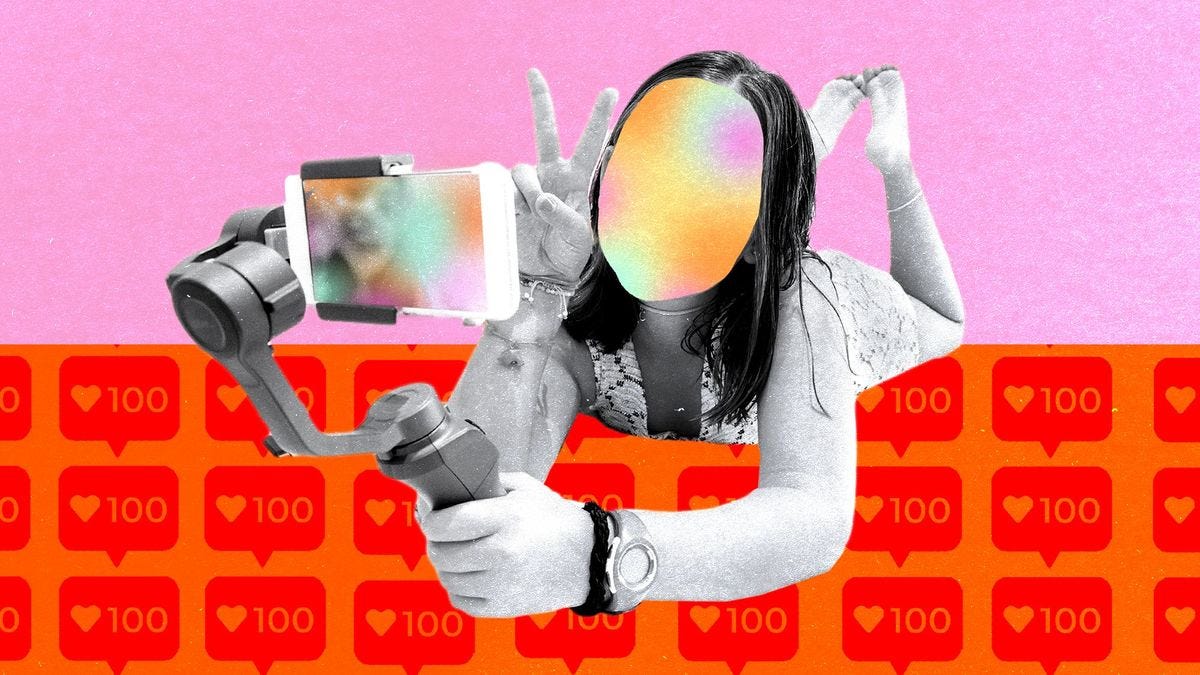
Much like every generation that comes after the next, they learn quicker and growing up on social media means, unfortunately or fortunately, depending which side of the coin you look at, they’re more exposed to things than any generation before them.
On one hand, that exposure means some are tech savvy, already earning millions before their 13th birthday, building audiences, coding, creating content that rival production studios would be proud of. Ryan Kaji, a Gen Alpha creator, reportedly earned around $27 million at a young age from his YouTube channel.
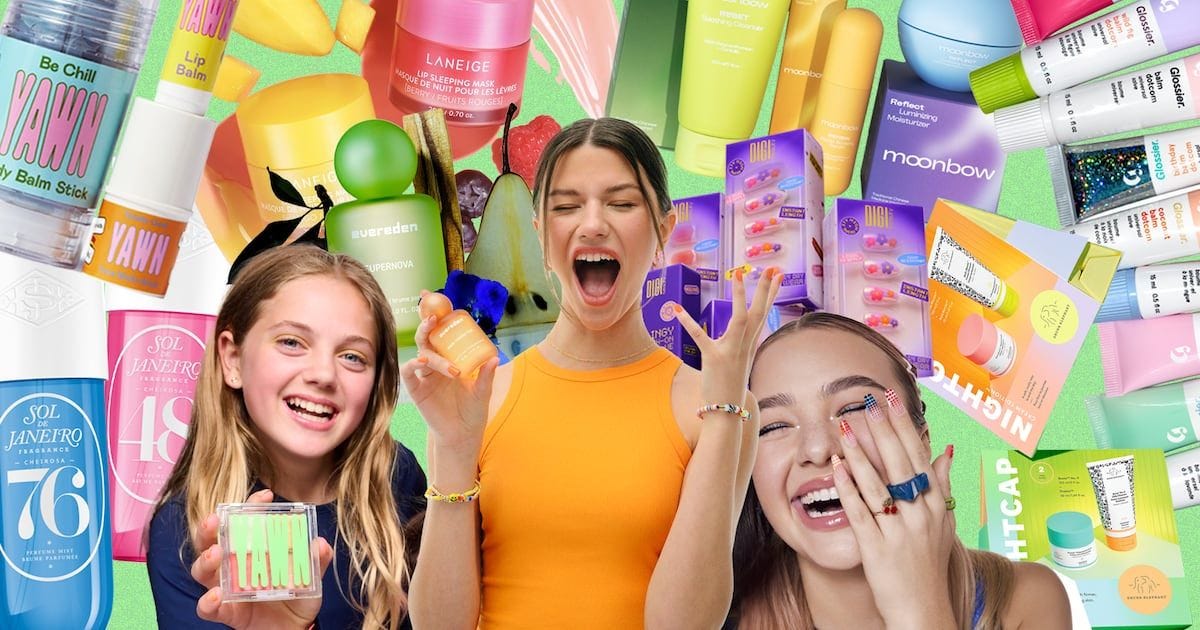
Gen Alpha creators are already influencing product trends in major retailers like Sephora, with brands like Drunk Elephant and Bubble seeing significant traction among tweens driven by TikTok and YouTube discovery
On the other hand, as the manosphere discourse showed us earlier this week, it also means they can be more susceptible to harmful content, Andrew Tate-style figures pushing misogynistic rhetoric to boys as young as 10, algorithms serving rage and outrage before they’ve developed the critical thinking to process it. The declining literacy rates and growing AI dependency don’t help either.
There are also growing concerns about declining attention spans and physical activity with schools reporting rising demand for mental health support.
This generation is simultaneously the most commercially sophisticated and the most vulnerable and if you’re in marketing, it should be the thing keeping you up at night.

Today’s Focus
Today’s newsletter is focused on what we really know about Gen Alpha, how marketers can best reach them, the responsibility we have as storytellers to help, not exploiT, this generation and why I believe if we’re not careful, we’ll make the same mistakes we made with Gen Z.
What mistakes, Charlotte?
As someone with a Gen Z sister, I may be somewhat biased, or some could say, in the know on how they actually operate, but remember all those headlines? “Gen Z are lazy.” “Gen Z don’t want to work.” “Gen Z are entitled.” Entire think pieces written about how a generation of people in their early twenties weren’t behaving the way older generations expected them to.
Fair enough, some of the things a small group did were a bit odd. But looking back, and looking at the extensive research we did as a company, were they lazy or ahead of their time? Were they entitled or had they simply been exposed to enough economic instability, institutional failure and digital transparency to see through the systems that previous generations accepted without question?
And now, funny enough, Gen Z are the very people raising millions, starting groundbreaking startups, reshaping entire industries and doing things that many of us could never have dreamed of at their age. Gen Z’s share of US consumer spending has more than doubled since 2020 from 2.6% to 6.1% in 2025.
I bring this up to say Gen Alpha might do things we don’t understand but perhaps this time it’s worth taking a step back to understand before we judge.
Let’s pause the hot takes for now and really try to understand them.
The Numbers:
Here’s what we actually know.
Gen Alpha, born between 2010 and 2024, is projected to become the largest generation in history, with an estimated 2 billion members globally and expected to make up around a quarter of the global population by by end of this year.
What’s clear is the influence they have: over 40% of parents say their Gen Alpha children shape household spending in some way, with 9% saying they influence most of it.
Collectively, they reportedly influence hundreds of billions in annual family purchases across food, travel, tech and fashion.
But brands that still treat them like an afterthought are going to wake up one day and realise this generation already has opinions about them formed years before anyone in marketing bothered to ask.
The Sephora Kids Conversation:
You can’t talk about Gen Alpha and brands without talking about Sephora Kids.
Over the past two years, Gen Alpha tweens, some as young as seven, have been flooding Sephora and Ulta stores, buying anti-ageing skincare, retinol serums and products with active ingredients designed for adult skin. They’re already driving billions in beauty spending, much of it influenced through social media hauls and creator-led content rather than traditional advertising.
The internet had a lot of opinions.
Store employees complained about disrupted displays. Adult customers filmed themselves shopping alongside 11-year-olds with overflowing baskets. Dermatologists raised concerns about retinol on young skin. Parents were either defending their kids or being publicly shamed for not saying no.
This is the aspiration-to-consumption pipeline starting at age eight. The same algorithmic exposure that drives adult purchasing, “Get Ready With Me” videos, influencer recommendations, creator-led brand launches, is now shaping children’s desires before they’ve finished primary school.
A child watches a creator they admire use Drunk Elephant. The algorithm serves them more, they want it, they ask their parent, the parent, often a millennial who understands the creator economy, either says yes or negotiates.
But parents still decide…they haven’t lost power. That dual decision-maker model, child’s desire meets millennial parent’s approval, is different from anything we’ve marketed to before.
And this is the first generation where marketing literacy develops before purchasing power. They can identify a brand, evaluate a product and advocate for a purchase but they can’t yet fully evaluate the persuasion techniques being used on them. That gap is where the responsibility sits.
The “iPad Kids” Narrative vs What’s Actually Happening
Let’s address the elephant in the room or rather the iPad in the room.
Gen Alpha gets dismissed as “iPad kids”, shorthand for a generation supposedly zombified by screens, incapable of real-world interaction, destined for shortened attention spans and social deficits. The narrative is everywhere and it’s lazy.
Yes, screen time is high. PwC found average recreational screen time is 3.6 hours daily, more than double time spent outdoors or reading.
But PwC also found something the “iPad kids” narrative conveniently ignores: these kids are smart and sophisticated. They’re earning their own money, researching things before asking for them, negotiating with patience and building fluency with AI tools most adults are still figuring out.
When asked what matters most in life, they ranked family first (71%), friends second (43%), happiness third (31%). Social media came in at 5%. Fame? 2%.
Compare that to the assumptions most people make about them. We’ve built an entire discourse around what we fear they’re becoming and ignored what they’re actually telling us about who they are.
Every generation gets defined by the anxiety of the one before it. Boomers worried Gen X watched too much TV, Gen X worried millennials were entitled and soft, Millennials worried Gen Z were phone-addicted narcissists and now Gen Z and millennials together worry Gen Alpha are screen-dependent robots.
The worry is always the same.
What Brands Get Wrong
1. Stop treating them as a monolith. A 7-year-old and a 15-year-old are not the same consumer. Numerator’s data shows spending shifts dramatically by age bracket from toys and snacks at ages 1–5, to apparel, electronics, beauty and fast food by 11–14. “Target Gen Alpha” is about as useful as “target everyone between 2 and 16.” It’s meaningless without age-specific behavioural insight.
2. Understand the dual decision-maker. Unlike every other segment you market to, Gen Alpha purchases go through two layers: the child’s desire and the parent’s approval. Millennial parents evaluate products on safety, durability and values alignment. Sustainability functions as a credibility signal it increases the likelihood that a product a child wants actually gets bought. If your product only appeals to the child, you’ll never get through the gatekeeper. If it only appeals to the parent, the child won’t ask for it. You need both.
3. Don’t confuse influence with income. Gen Alpha influences $500 billion in family spending but they don’t have $500 billion. Their economic power is mediated through parents. That’s a fundamentally different dynamic from marketing to Gen Z or millennials who have their own wallets. The $5.5 trillion spending projection by 2029 assumes the economy cooperates and as we discussed in last month’s newsletter on the death of the aspirational customer, that assumption deserves scrutiny.
5. The responsibility question is real. Here’s the bit I want to say directly to anyone in brand strategy reading this. Gen Alpha’s commercial sophistication does not mean they’re equipped to handle everything the market throws at them. A 10-year-old who can research a product, compare prices, and advocate for a brand is still a 10-year-old. Their brains are still developing and their capacity for critical evaluation of advertising, parasocial relationships with creators and manipulation is still forming.
As David Ogilvy said decades ago: “The consumer isn’t a moron. She’s your wife.” Well, in this case, the consumer isn’t a moron, she’s someone’s daughter and she’s ten.
One More Thing:
In last month’s newsletter, I talked about what I called The AI Class Gap, the idea that the divide isn’t just about who has the jobs but who has the literacy. That divide is widening not between generations but within them.
Gen Alpha is where this becomes most visible. Some kids are growing up with AI as a native skill, using ChatGPT for homework, building in Roblox, learning to code at 10. Others don’t have access, don’t have guidance and are consuming algorithmically served content without any framework for evaluating it.
If brands and marketers want to be part of the solution rather than part of the problem, it starts with understanding that “reaching Gen Alpha” is a growth strategy and a responsibility.
 Tiktok failed to load.
Enable 3rd party cookies or use another browser
Until next time, keep listening, keep learning, and keep evolving.
And make sure you digress often. Curiosity is key to winning in this game.
Charlotte